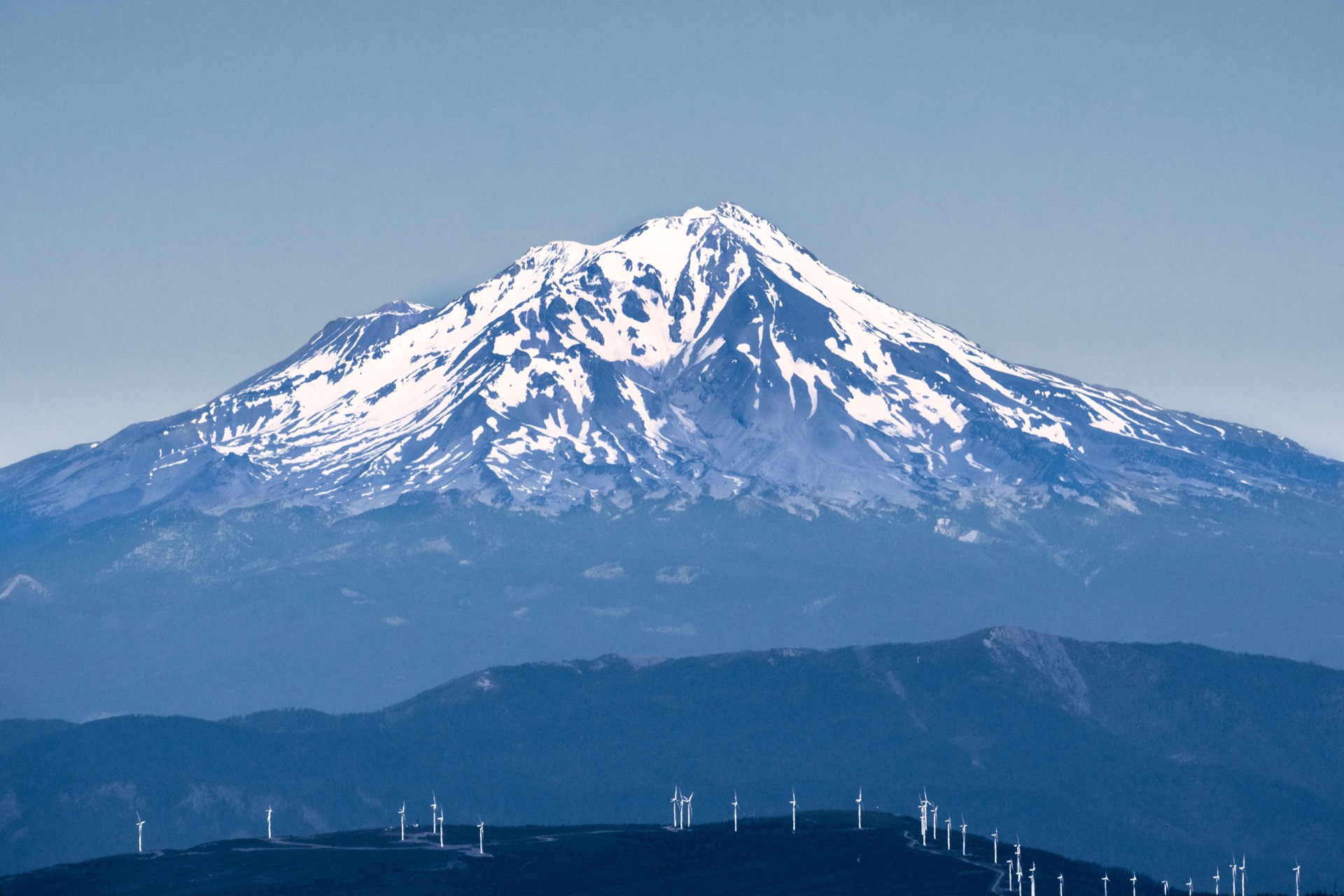
An acre out here isn't just an acre. It's a septic system you've never thought about, a well that's been pumping for 40 years, and a road that may or may not be your responsibility to maintain. Let me help you ask the right questions before you wire the earnest money.
I've sold acreage in every corner of Shasta County — rolling Palo Cedro pasture, Bella Vista ridge-tops with Lassen views, Cottonwood river bottom, Shingletown timber. Every property has its quirks, and some of them are dealbreakers if you don't catch them in escrow.
Where Shasta County Acreage Lives
Palo Cedro (1–5 acres typical, irrigated)
Closest "real" acreage to Redding. Rolling, mostly oak and pasture, much of it on the historic Bella Vista Water District ag-irrigation network. Median price runs higher than other rural pockets — buyers pay for the school district (Junction Elementary, Foothill High) and the 15-minute commute to downtown Redding. See my Palo Cedro neighborhood guide for more.
Bella Vista (5–20+ acres, foothill views)
East of Redding, climbing into the foothills. Bigger lots, more privacy, often with serious Lassen and Shasta views. Many properties on shared private roads. Bella Vista has its own school district. Bella Vista guide here.
Cottonwood (1–10+ acres, river access)
South Shasta County, agricultural feel, river-bottom and cottonwood groves. Cottonwood Creek and Sacramento River access on some properties. More VA buyers and retirees here than people realize.
Shingletown / Round Mountain / Mountain Gate
Higher elevation, timber country. Properties with serious off-grid potential. Pine forest, snow in winter, longer commutes to Redding. Buyers here are often looking for privacy first, view second, commute third.
Lakehead Foothills
North end of Shasta Lake, water-adjacent acreage with lake views. Smaller market, but unique inventory.
Looking at a Specific Acreage Listing?
Send me the address before you write an offer. I'll pull the parcel report, check easements, look at the septic permit history, and tell you what red flags I see.
Send Me the ListingSeptic Systems 101
If the property isn't on city sewer (and most acreage in Shasta County isn't), it's on septic. Septic is fine — when it's working. When it's not, you're looking at $15,000 to $50,000+ to replace, depending on type and county requirements.
Types You'll See in Shasta County
- Conventional gravity systems — tank + leach field. Most common. Lifespan 25–30 years if maintained.
- Mound systems — used where soil percolation is poor. More expensive to install, more components to fail.
- Sand filter / advanced treatment — required on some smaller lots and near waterways. Annual maintenance contracts often required.
- Engineered systems — newer custom designs for difficult sites.
What I Check on Every Acreage Listing
- Permit history — Shasta County Environmental Health has files going back decades
- Most recent pump-out (should be every 3–5 years)
- Visible signs of trouble — soggy ground, slow drains, sewer smell, exposed lid
- Capacity vs. household size — a 3-bedroom septic isn't designed for 6 people
- Distance from wells and waterways (important if you're planning an ADU)
I always recommend a separate septic inspection — typically $400–$800 — performed by a licensed septic contractor, not just the home inspector.
Wells 101
Same logic as septic: when wells work, they're invisible. When they don't, your "free water" turns into a $20,000 problem.
Domestic vs. Agricultural
Most Shasta County rural properties have a domestic well (drinking water for the house). Some have a separate agricultural well for irrigation. They're permitted differently and have different reporting requirements.
What "GPM" Means and Why You Should Care
Gallons per minute is the well's flow rate. Lender minimums vary, but here's a working rule of thumb:
- Less than 4 GPM — lender flag. Often won't finance without a flow agreement or storage tank.
- 4–6 GPM — bare minimum. Family of 4 will notice in summer.
- 10+ GPM — comfortable. Plenty of room for irrigation, multiple bathrooms, no drama.
- 20+ GPM — luxury territory. Common in Bella Vista on the right aquifer.
Water Quality Tests You Actually Need
Shasta County aquifers can have arsenic and uranium — both naturally occurring, both potentially exceeding EPA limits. Standard bacteria/nitrate tests miss these. Always pull a full panel: bacteria, nitrate, pH, hardness, iron, manganese, lead, arsenic, and uranium. About $200–$300, well worth it.
Easements: The Quiet Dealbreaker
Acreage almost always comes with easements. Driveway access across a neighbor's land. Utility easements running through the back forty. Sometimes the road in is technically yours to maintain, but everyone uses it.
Driveway and Road Access
Critical question: how do you legally get to the house? If it's a private driveway across someone else's parcel, where's the recorded easement? What does it say about maintenance? About width? About future improvements?
Shared Roads
If three families share a road, who plows it in winter? Who fixes potholes? Some properties have a recorded Road Maintenance Agreement (RMA) that splits costs proportionally. Others rely on neighbor handshakes that fall apart fast when one neighbor moves out.
Utility Easements
PG&E, REU, water district, and even old county-recorded easements can affect where you can build. Want to add an ADU or shop? You can't put it on top of the recorded utility line.
The Williamson Act (Don't Panic)
If a listing says "Williamson Act" — that's the California Land Conservation Act of 1965. In plain English: the property owner signed a 10-year voluntary contract with the county to keep the land in agricultural use, in exchange for substantially lower property taxes.
Williamson Act properties are often great values — until you don't want to farm or graze them anymore. To get out, you file non-renewal, which triggers a 9-year wind-down period during which property taxes climb back to normal. Most rural buyers in Shasta County keep the contract going (it's free money), but you need to know what you're inheriting.
Road Maintenance: County-Maintained vs. Private
Drive past the property and look for the signs.
County-maintained roads have green county signs. The county plows them, fixes potholes, and clears trees after storms. Your property tax pays for all of it.
Private roads don't. You and your neighbors are on the hook for plowing, grading, and repair. Emergency vehicle access is your responsibility — fire trucks need certain widths and clearances or your insurance gets weird. In a winter like 2023, that can mean serious money.
I always pull the road status on every acreage listing. If it's private, we read the RMA before we write.
Want a Pre-Walk Before You Make an Offer?
Acreage hides surprises that don't show in photos. I'll walk the property with you, check the well house, look at the septic mound, and walk the property line.
Schedule a Property WalkFinancing Rural Properties
Conforming conventional loans can get weird above certain acreage. Each lender has different rules:
- Conventional (Fannie/Freddie) — usually fine up to 10–20 acres. Above that, the appraisal has to demonstrate the value is mostly in the residence, not the land.
- USDA Rural Development — $0 down for eligible properties (most of Shasta County outside Redding city limits qualifies), income limits apply.
- VA — works on most acreage; see my VA loan page for the deeper dive.
- Portfolio lenders — local banks and credit unions that hold the loan in-house. Can finance 40+ acres, mixed-use parcels, ag-zoned properties, or unique structures.
I'll connect you with a lender who actually does rural loans regularly — not someone whose system flags every well-and-septic property as too risky.
Outbuildings: Permitted vs. Unpermitted
Acreage often comes with extras: barns, shops, ADUs, guest cottages, hay sheds, equipment storage. Some are permitted. Some... are not.
Unpermitted structures are common in rural Shasta County, and they're not always a problem. But they affect:
- Appraisal — the appraiser may not include them in valuation
- Insurance — some carriers won't cover unpermitted buildings
- Lender requirements — some lenders require permitted square footage match the listing
- Future plans — if you want to rent the unpermitted ADU, you need to permit it first
I always check permit records on outbuildings before we write. If something's unpermitted, we know and we negotiate accordingly — sometimes the seller agrees to permit it, sometimes we adjust price to reflect risk.
Related Reading
If you're researching, my deeper guide on homes with acreage in Shasta County covers the full lay of the land — areas, price ranges, and what to expect.
What Past Clients Say
"Nathan walked the entire 12 acres with us before we wrote the offer. He found a recorded easement we'd missed in the disclosure packet — saved us a real headache later."
— Buyer Client, Bella Vista
"He explains everything in plain English. No question is too basic."
— Buyer Client, Palo Cedro
"Nathan was extraordinary in every aspect. He answered all of my questions in a timely manner and was on top of every step in the process."
— Zillow Review
Frequently Asked Questions
Get a flow test (4 GPM bare minimum, 10+ comfortable), full water quality panel including arsenic and uranium (Shasta County aquifers can have both), and pull the original well log from the state if available. Check the well house equipment — pump age, pressure tank condition, electrical. About $400–$700 total for a thorough well inspection.
Yes, usually. Conventional conforming loans typically work up to 10–20 acres if the appraisal supports the value being mostly in the residence. Above that, you may need a portfolio lender. USDA Rural Development is a great $0-down option for eligible properties. I'll match you with a lender who handles rural regularly.
Generally good — significantly lower property taxes in exchange for keeping the land in ag use. The catch is the 9-year non-renewal wind-down if you ever decide you don't want the contract. Most rural Shasta County buyers keep the Williamson Act in place because the savings are real and the requirements (grazing or modest ag use) aren't onerous.
County-maintained: the county plows, grades, and repairs the road, paid for by your property tax. Private: you and your neighbors split the cost via a Road Maintenance Agreement, or via informal arrangement. Private roads also affect emergency vehicle access — fire/ambulance need certain widths and clearances. Always read the RMA before writing on a property with a private road.
Domestic well water is straightforward in Shasta County — drill, permit, pump. Surface water rights (creek diversions, irrigation district shares, riparian rights) are more complex and worth getting an attorney to review. Bella Vista Water District ag shares, in particular, are valuable and transfer with the property — but only if the paperwork is right.